
Mobile Forensics
Cell Phone Forensics
Court-admissible extraction and analysis of iOS and Android devices. Recover deleted messages, call logs, app data, and GPS history.
Learn More
Your phone was hacked. Your business was breached. A romance scammer stole your money. A bully is destroying your child online. We find out exactly what happened, who did it, and give you evidence that holds up in court — in plain English, no tech jargon.
Available 24/7 · Los Angeles · Orange County · San Diego · California BSIS PI License No. 190161
Six core cybersecurity services — all handled personally by Joseph Hanna, Computer Forensics Qualified Expert Witness with 15+ years of experience.
Your cell phone holds more evidence than almost anything else. Deleted texts, hidden apps, secret calls, location history — even after someone tries to wipe the phone, most of that data is still there. We extract it safely and legally.
Whether you need to prove infidelity, uncover employee misconduct, or recover messages deleted to hide a crime, our phone forensics process is methodical, documented, and court-ready.
Getting hacked is terrifying — especially when you don't know how it happened, what the attacker took, or if they're still inside your system. We investigate unauthorized access, data theft, ransomware, email compromise, and account takeovers for both individuals and small businesses.
We find the entry point, document the full attack timeline, and tell you exactly what the attacker accessed — in clear, everyday language you can actually understand.
Someone accessed your Google Drive, iCloud, Dropbox, Microsoft 365, or business cloud storage without your permission. Files were copied, deleted, or forwarded. Maybe it was a disgruntled employee, a business partner, or an outside attacker.
We trace cloud access logs, identify unauthorized logins, pinpoint what was taken, and build a complete picture of the breach — whether it happened last night or three months ago.

Online harassment can destroy a person's mental health, reputation, and even their career. Fake profiles, doxxing, screenshot harassment, threatening messages, and coordinated pile-ons are real crimes in California — and we help victims fight back.
We gather authenticated, court-admissible evidence from social media platforms, messaging apps, and school devices. We identify anonymous accounts and document everything needed to file a police report or pursue civil legal action.

Romance scammers spend weeks or months building trust before asking for money. They use stolen photos, fake identities, and scripted emotional manipulation. By the time victims realize what happened, thousands — sometimes hundreds of thousands — of dollars are gone.
We trace the real person behind the fake profile using OSINT, reverse image analysis, metadata extraction, financial transaction patterns, and digital footprint mapping. We build a case for law enforcement and help you recover what you can.
An exploit is a secret door into your device — a weakness in software that an attacker uses to get in without you ever clicking a bad link. Spyware, stalkerware, keyloggers, and remote access trojans (RATs) work silently in the background. Many victims have no idea they're infected for months.
We perform deep forensic analysis of your phone, laptop, or business network to detect any malicious code, identify who deployed it, determine what data was accessed, and document everything for legal proceedings.
Most people think that when you delete a text message or a photo, it's gone forever. It's not. When you delete something on a phone, the operating system simply marks that storage space as "available" — the actual data often stays intact until new data overwrites it. A skilled forensic examiner can recover it.
Here's what we can typically extract from a smartphone forensic examination:
Most people think hackers only go after large corporations. The truth is the opposite. Individual people and small businesses are far easier targets because they rarely have security teams, firewalls, or monitoring tools. Attackers know this and specifically look for individuals and small businesses to exploit.
Here are the most common scenarios we investigate for individual clients:
For small businesses, a cyber attack isn't just inconvenient — it can be catastrophic. Here are the attacks we investigate most frequently for small business clients:
Cloud storage has made our lives easier but it has also created new attack surfaces. When someone accesses your cloud account without permission, the damage can be enormous — confidential business documents, client data, financial records, personal photos, and private communications can all be exposed or stolen.
Cloud platforms like Google Workspace, Microsoft 365, Dropbox, and iCloud keep detailed access logs. These logs record every login — what IP address, what device, what time, and exactly what files were accessed or downloaded. Most users never look at these logs. We do.
A cloud security investigation by Xpozzed will tell you:
Romance scams are one of the most emotionally devastating crimes we investigate. They work because they exploit genuine human need for connection. Here is how a typical romance scam unfolds — and how we dismantle it:
The scammer creates a fake profile using stolen photos of an attractive, successful-looking person — often a military officer, engineer, doctor, or businessperson working abroad. They reach out through dating apps, Facebook, Instagram, or LinkedIn.
They communicate intensively — sometimes multiple times a day. They are charming, attentive, and emotionally available in ways that feel almost too good to be true. They declare love quickly. They talk about a future together. They want to video call but always have an excuse not to.
After weeks or months, a "crisis" emerges — a medical emergency, a business deal gone wrong, being stuck overseas, customs fees on a package. They need money urgently. Just this once. They promise to pay it back immediately. They never do.
We use reverse image searches, metadata from photos they sent, IP geolocation from emails and messages, social media cross-referencing, and OSINT tools to build a real identity profile on the scammer. We document everything in a format that law enforcement and attorneys can use directly.
Of all the ways someone can attack your digital life, exploits are the most alarming — because they require almost nothing from the victim. You don't have to click a phishing link. You don't have to open a bad attachment. A sophisticated exploit can compromise your device just from receiving a message or visiting a website.
Software companies like Apple, Google, and Microsoft release security patches regularly. But between the time a vulnerability is discovered by an attacker and the time the company patches it, that vulnerability is "zero-day" — meaning the company has had zero days to fix it. Attackers use zero-days to compromise devices before any defense exists.
Stalkerware is a category of apps designed to hide completely on a device and secretly transmit the victim's location, messages, calls, and even microphone audio to an attacker. They are often installed by abusive partners, jealous ex-spouses, or controlling family members. The apps are designed to be invisible — they don't appear in the app list and don't show up in normal device settings.
Signs your phone may have stalkerware installed:
We perform a full forensic examination to detect, document, and preserve evidence of any stalkerware or spyware — including who installed it and when.
A clear, simple process — from your first call to a court-ready report, handled personally by Joseph Hanna every step of the way.
Call or message us any time. We listen to what happened, ask the right questions, and tell you honestly what evidence is likely recoverable and what the investigation involves.
We immediately secure and forensically image all relevant devices, accounts, and logs — preserving everything in its original state before anything can be deleted, overwritten, or lost.
Using professional forensic tools, we analyze the data to recover deleted content, trace attackers, identify unauthorized access, and reconstruct the full timeline of events.
You receive a detailed forensic report written in plain English — no confusing tech jargon. It documents every finding, every timestamp, and every piece of evidence in a format attorneys and courts accept.
If your case goes to court, Joseph Hanna can testify as a Computer Forensics Qualified Expert Witness in California state and federal courts, explaining the technical findings clearly to judges and juries.
Real answers about cell phone forensics, cyber attacks, romance scams, cyberbullying, and more — in plain language.
California BSIS Licensed Private Investigation Agency — Expert forensic services led personally by Joseph Hanna, Computer Forensics Qualified Expert Witness.
Court-admissible extraction and analysis of iOS and Android devices. Recover deleted messages, call logs, app data, and GPS history.
Learn More
California BSIS licensed private investigation agency (License No. 190161). Background checks, surveillance, and fact-finding investigations.
Learn More
Forensic examination of laptops, desktops, and storage media. Evidence recovery for litigation, HR investigations, and criminal defense.
Learn More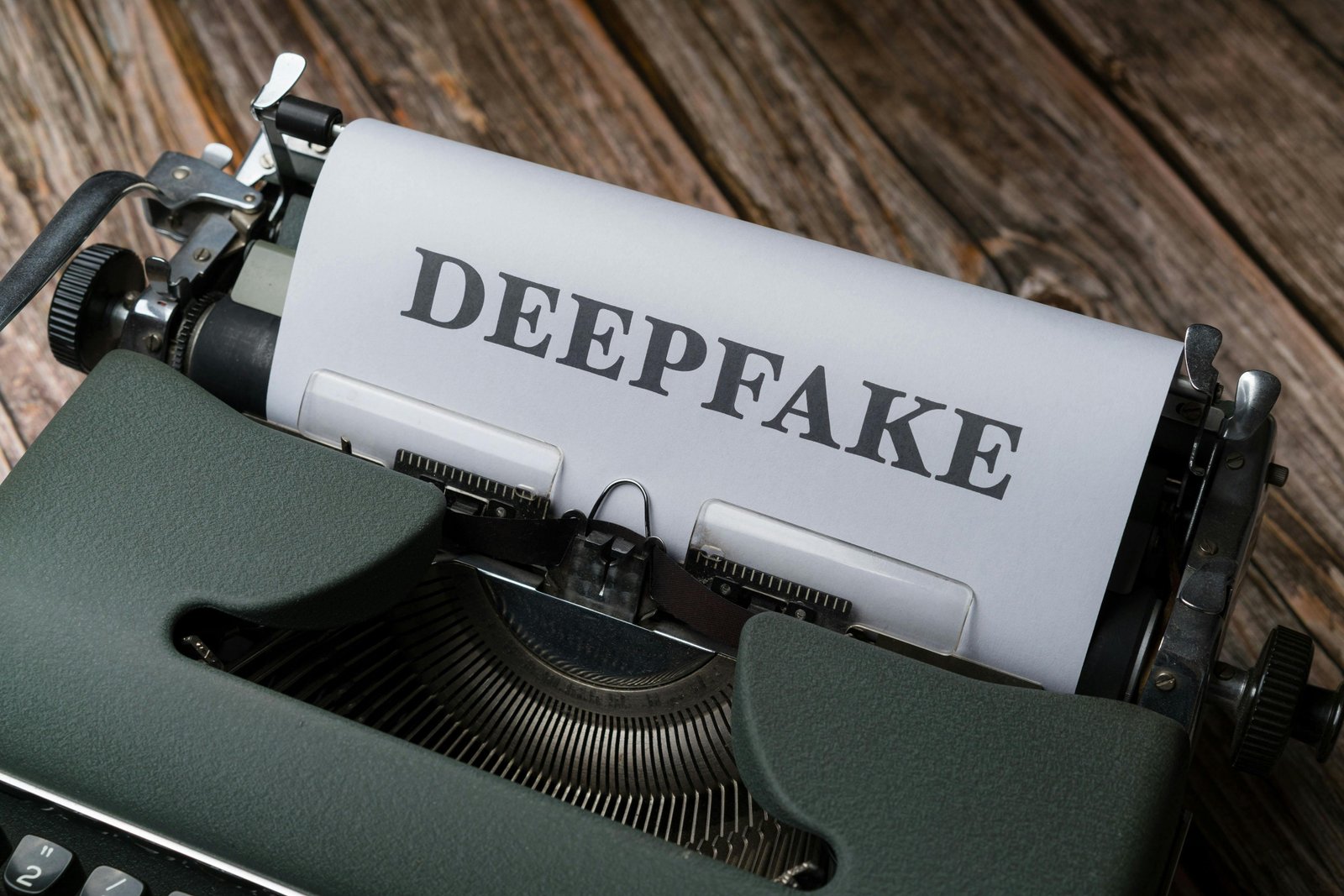
Deepfake detection, video authentication, and frame-level analysis. Expert opinions accepted by California state and federal courts.
Learn More
Header analysis, spoofing detection, and chain-of-custody email preservation. Ideal for fraud, harassment, and IP theft cases.
Learn More
Identify anonymous harassers and document cyberbullying evidence for school, civil, or criminal proceedings.
Learn More
Blockchain tracing, wallet attribution, and asset recovery coordination for scam victims and financial disputes.
Learn More
Rapid response to online extortion, ransomware, and sextortion threats. Attacker identification and court-ready evidence packages.
Learn More
Discreet surveillance, infidelity investigations, and asset searches conducted by licensed California PI professionals.
Learn MoreContact Xpozzed Digital Forensics for immediate assistance. California BSIS Licensed — PI License No. 190161. Led by Joseph Hanna, Computer Forensics Qualified Expert Witness.
BSIS PI License No. 190161 Computer Forensics Qualified Expert Witness CEH — Certified Ethical Hacker CISSP (In Progress) MSc Candidate — Digital Forensics & Cybersecurity, EC-Council University Court-Admissible Results