Digital Forensics by a Licensed Private Investigator in Los Angeles, OC & San Diego

Professional Forensics Investigator | Cybersecurity Private Investigator | Internet Investigator - Court-Admissible Evidence, 24/7 Emergency Response

🔍
15+
Years Digital Forensics
🚨
24/7
Forensics Investigator
⚖️
1000+
Cases Investigated

Digital forensics is the foundation of every case involving digital evidence — and in California, the credibility of that evidence depends as much on who collected it as on what it shows. When digital forensic findings need to hold up in court, before a regulatory body, or in litigation, they must be gathered under licensed investigative authority, documented with proper chain of custody, and presented by a qualified expert witness. Xpozzed Digital Forensics provides court-ready digital forensics services across all device types and case categories, conducted under California BSIS PI License No. 190161.

Xpozzed is founded and led by a California BSIS Licensed Private Investigator, Certified Ethical Hacker (CEH), and CISSP-certified professional who serves as a Computer Forensics Qualified Expert Witness in California state and federal courts. Every digital forensics engagement — from mobile device extraction to network intrusion analysis — is personally handled by our licensed PI, ensuring the forensic methodology, chain of custody, and expert reporting meet the standards California courts apply.

Whether you need cell phone forensics for a family law matter, computer forensics for a trade secret case, or expert witness testimony for pending litigation, Xpozzed delivers digital forensic evidence that courts accept. Schedule a free consultation to discuss your case.

What Is Digital Forensics — and Why Does Licensed PI Authority Matter?

Digital forensics is the scientifically validated process of collecting, preserving, analyzing, and presenting digital evidence from computers, mobile devices, networks, and cloud systems. The NIST Forensic Science program establishes the methodological standards that courts use to evaluate the reliability of forensic evidence — including requirements for tool validation, documented procedures, and chain of custody.

In California, certain evidence-gathering activities require licensed private investigator authority under the Business and Professions Code. Digital forensics conducted under BSIS PI License No. 190161 carries the legal weight of a licensed investigation — making findings more defensible in court and more credible to opposing counsel, insurance carriers, and regulatory agencies.

Every digital forensics engagement at Xpozzed follows NIST-aligned forensic methodology: write-blocked acquisition, cryptographic hash verification, documented chain of custody, validated tool usage, and expert reporting meeting FRE 702 and California Evidence Code §720 standards for admissibility.

digital forensics licensed private investigator Los Angeles

Digital Forensics Expertise

Certified forensics investigator, cybersecurity private investigator, and internet investigator services for comprehensive digital evidence collection

Mobile Device Digital Forensics

Mobile Device Digital Forensics

Expert forensics investigator services for iOS and Android mobile device analysis. Advanced digital forensics techniques to extract deleted messages, photos, GPS data, and app evidence. Our forensics investigator team recovers court-admissible digital evidence from smartphones and tablets using industry-leading forensic tools.

Mobile Forensics →
Computer Digital Forensics

Computer Digital Forensics

Professional computer digital forensics and data recovery by certified forensics investigator. Comprehensive forensic analysis of hard drives, SSDs, and cloud storage. Our digital forensics experts recover deleted files, browser history, and encrypted data for legal proceedings and corporate investigations.

Computer Forensics →
Cybersecurity Private Investigator

Cybersecurity Private Investigator

Expert cybersecurity private investigator for cyber incident response and threat analysis. Our cybersecurity private investigator team provides digital forensics for data breaches, ransomware attacks, and network intrusions. 24/7 emergency response with forensic evidence preservation and comprehensive incident reporting.

Cyber Investigation →
Internet Investigator Services

Internet Investigator

Professional internet investigator for online fraud, cyber crime, and digital threat investigation. Our internet investigator specialists combine digital forensics with OSINT techniques to trace online activity, identify perpetrators, and gather digital evidence. Expert analysis of social media, dark web, and encrypted communications.

Internet Investigation →
Digital Evidence Collection

Legal Digital Forensics

Court-admissible digital forensics and evidence collection for legal proceedings. Forensics investigator services for divorce cases, corporate litigation, and criminal defense. Our digital forensics experts maintain proper chain of custody and provide expert witness testimony in federal and state courts.

Legal Forensics →
Emergency Digital Forensics Response

Emergency Digital Forensics

24/7 emergency digital forensics response for urgent investigations. Immediate forensics investigator deployment for time-sensitive digital evidence collection. Our cybersecurity private investigator team provides rapid incident response, forensic imaging, and evidence preservation before data loss or destruction.

Emergency Call →
Cryptocurrency Digital Forensics

Cryptocurrency Forensics

Specialized digital forensics for cryptocurrency fraud and blockchain investigation. Our forensics investigator experts trace Bitcoin, Ethereum, and altcoin transactions using advanced blockchain analysis. Comprehensive digital forensics for crypto scams, wallet recovery, and asset tracing for legal proceedings.

Crypto Forensics →
Forensics Expert Witness

Forensics Expert Witness

Court-qualified forensics investigator and expert witness testimony for digital forensics cases. Our cybersecurity private investigator team provides expert testimony in civil and criminal proceedings. Proven track record of explaining complex digital forensics findings to judges and juries with clarity and credibility.

Expert Testimony →
Deepfake Digital Forensics

Deepfake Analysis

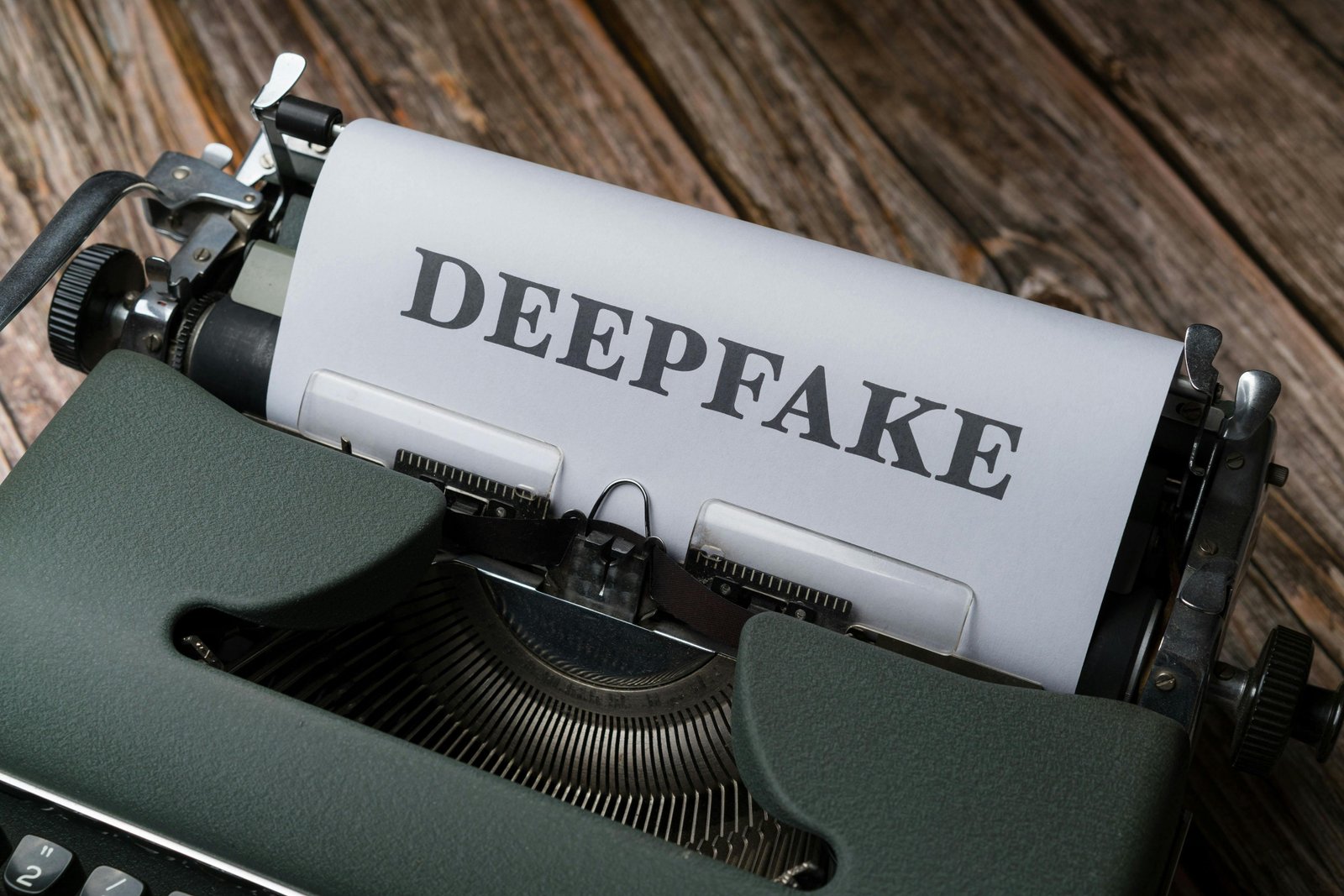
Advanced digital forensics for deepfake video and audio detection. Our forensics investigator specialists use AI-powered tools to authenticate digital media and identify manipulated content. Expert internet investigator analysis for deepfake fraud, identity theft, and digital manipulation cases requiring forensic verification.

Deepfake Forensics →
Cyber Crime Digital Forensics

Cyber Crime Forensics

Comprehensive digital forensics for cyberstalking, harassment, and online threats. Our internet investigator team combines digital forensics with investigation techniques to identify perpetrators. Cybersecurity private investigator services for evidence collection, restraining orders, and criminal prosecution of cyber criminals.

Cyber Crime →
Data Recovery Digital Forensics

Data Recovery Forensics

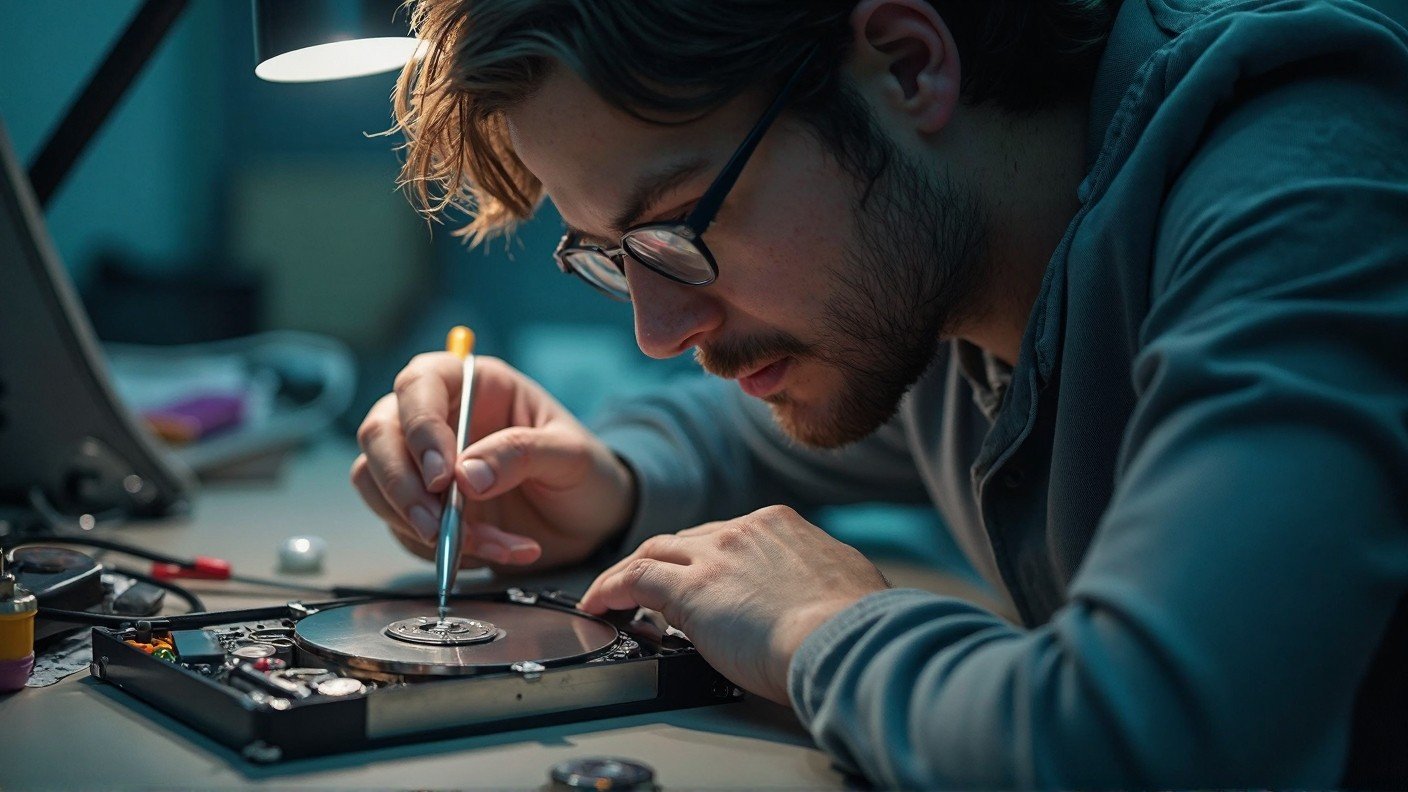
Expert digital forensics and data recovery from damaged or encrypted devices. Our forensics investigator technicians recover critical evidence from failed hard drives, corrupted storage, and secure-wiped devices. Advanced digital forensics techniques for deleted file recovery and forensic data reconstruction.

Data Recovery →
Social Media Digital Forensics

Social Media Forensics

Professional internet investigator and digital forensics for social media evidence. Our forensics investigator team preserves Facebook, Instagram, Twitter, and TikTok content with proper authentication. Court-admissible digital forensics for social media fraud, harassment, and online defamation cases.

Social Forensics →

Principal & Founder

Why Choose Joseph Hanna for Digital Forensics in Los Angeles?

CEH | CISSP | MSc Candidate — EC-Council University, NM | BSIS PI License No. 190161 | Computer Forensics Qualified Expert Witness

Digital forensics findings are only as reliable as the examiner who produced them. Joseph Hanna holds California BSIS PI License No. 190161, is a Certified Ethical Hacker (CEH), and has been qualified as a Computer Forensics Expert Witness in California state and federal courts. His CEH credential means he approaches every digital forensics case with an attacker’s technical understanding — identifying not just what data exists, but how it was accessed, copied, or destroyed, and what that means legally.

Joseph is an MSc candidate in Digital Forensics & Cybersecurity at EC-Council University in New Mexico and personally handles every Xpozzed engagement through Rohovot LLC. You work directly with the licensed PI and qualified expert witness — not a junior analyst. Every case receives the same court-ready methodology whether it goes to trial or settles.

CEH CISSP MSc — EC-Council University, NM BSIS PI No. 190161 Computer Forensics Expert Witness

Court-Admissible Digital Forensics Evidence in California

Digital forensics evidence is only useful if it is admissible. Every Xpozzed engagement is conducted under California BSIS PI licensed authority using NIST-aligned methodology, producing forensic reports and chain of custody documentation that California and federal courts accept.

Chain of Custody

Every device examined receives a documented chain of custody from seizure to courtroom — hash-verified forensic images, evidence logs, and access records required for admissibility in California civil and criminal proceedings.

Expert Witness Reports

Forensic reports are prepared to FRE 702 and California Evidence Code §720 standards. Our licensed PI is available for deposition and trial testimony. Schedule a consultation to discuss your matter.

Licensed PI Authority

Digital forensics conducted under California BSIS PI License No. 190161 through Rohovot LLC carries licensed investigative authority — making findings more defensible in court than evidence collected by an unlicensed examiner.

digital forensics private investigator Los Angeles Orange County San Diego

Digital Forensics Services in Los Angeles, Orange County & San Diego

Xpozzed Digital Forensics serves clients throughout Southern California who need licensed, court-ready digital forensics. Our licensed PI responds to cases across Los Angeles County, Orange County, and San Diego County — with on-site evidence collection and remote digital forensics examination available for clients outside California.

Whether you are in Los Angeles, Beverly Hills, Irvine, Newport Beach, Santa Monica, or San Diego, every digital forensics engagement is conducted under California BSIS PI License No. 190161 through Rohovot LLC. All findings are documented to support California and federal court proceedings.

✓ Los Angeles County
✓ Orange County
✓ San Diego County
✓ Beverly Hills
✓ Irvine & Newport Beach
✓ Nationwide Remote

Digital Forensics — Frequently Asked Questions

Common questions about digital forensics, expert witness services, and how we can help your case.

Digital forensics is the scientifically validated process of collecting, preserving, analyzing, and presenting digital evidence from computers, mobile devices, networks, and cloud storage. A qualified digital forensics examiner follows strict chain of custody procedures to ensure all evidence is court-admissible in criminal and civil legal proceedings.
A computer forensics qualified expert witness is a certified digital forensics examiner recognized by a court under Federal Rule of Evidence 702 or California Evidence Code Section 720 to provide expert testimony about digital evidence. They analyze devices, recover data, produce forensic reports, and explain technical findings to judges and juries in plain language during criminal and civil trials.
In California, a computer forensics expert witness must demonstrate specialized knowledge through industry certifications (EnCE, GCFA, CCE, CFCE), documented casework experience, tool validation proficiency, and the ability to communicate findings clearly under cross-examination. The court makes the final qualification determination based on California Evidence Code Section 720.
A digital forensics investigator creates forensic images of storage media, recovers deleted files, analyzes metadata and file system artifacts, examines communications and browser history, traces network activity, and documents all findings with proper chain of custody. They produce detailed forensic reports and can serve as expert witnesses in court proceedings.
Yes, when collected by a qualified digital forensics examiner following proper chain of custody procedures and using validated forensic tools. Courts evaluate digital evidence under the Daubert standard (federal) or Kelly-Frye standard (California state courts), requiring that forensic methodology be scientifically valid, peer-reviewed, and generally accepted in the forensic science community.
Chain of custody in digital forensics is the documented, unbroken record of who collected, handled, transferred, and examined digital evidence from seizure through court presentation. A complete chain of custody includes acquisition logs, hash verification records, evidence storage documentation, and access logs. Any break in chain of custody can result in evidence being challenged or excluded in court.
A cell phone forensics examination can recover deleted text messages, iMessages, WhatsApp and Signal conversations, call logs, emails, photos, videos, GPS location history, app usage data, browser history, social media activity, contacts, calendar events, and cloud account artifacts. Even factory-reset devices may retain recoverable data depending on the device type and overwrite patterns.
Logical extraction accesses data the phone currently presents through its operating system — active files, messages, and app data. Physical extraction creates a bit-for-bit copy of the entire storage chip, including deleted data, unallocated space, and artifacts not visible through the OS. Physical extraction recovers significantly more evidence but requires more advanced tools such as Cellebrite UFED or GrayKey.
Yes, in many cases. Deleted text messages remain recoverable until the storage space is overwritten by new data. On iOS devices, iMessages are stored in SQLite databases where deleted entries persist in the database until vacuumed. Android devices store SMS in similar database structures. Recovery success depends on device type, time elapsed since deletion, and whether the phone has been heavily used after deletion.
Forensic imaging is the process of creating an exact bit-for-bit copy of a storage device using write-blocking hardware to prevent any modification of the original evidence. The forensic image is verified using cryptographic hash values (MD5, SHA-256) that prove the copy is identical to the original. All analysis is performed on the image, preserving the original device in its original state for court.
A computer forensics examination covers the analysis of hard drives, SSDs, USB devices, and cloud storage for deleted files, email communications, browser history, search queries, document metadata, user account activity, Windows event logs, registry artifacts, installed software, external device connections, network activity logs, and timestamp analysis to establish a comprehensive timeline of user activity.
Digital forensics examination timelines vary by case scope. A single mobile device examination typically takes 3-7 business days. A computer forensics examination of a standard hard drive takes 5-14 business days. Complex multi-device cases involving cloud accounts, network logs, and multiple devices can take 3-6 weeks. Emergency examinations with 24-48 hour turnaround are available for time-sensitive legal matters.
OSINT (Open Source Intelligence) is the legal collection and analysis of publicly available information from social media, public records, domain registrations, WHOIS data, court filings, business registries, and online databases. In digital investigations, OSINT is used to identify individuals, trace online activity, document fraud, verify identities, and build intelligence profiles — all using only legally accessible sources.
Cloud forensics can recover emails (Gmail, Outlook), documents (Google Drive, OneDrive, Dropbox), photos (iCloud, Google Photos), location history (Google Maps Timeline), messaging data (iCloud iMessage backups), app data, login records, and sync history. Cloud evidence often survives device resets and physical destruction of devices, making it critical in many investigations.
In California, private investigation activities — including surveillance, background investigations, and certain evidence gathering activities — must be conducted by or under the supervision of a California BSIS licensed private investigator. Digital forensics performed for legal proceedings is most defensible when conducted by or in coordination with a licensed PI agency. Xpozzed is licensed under BSIS PI License No. 190161 through Rohovot LLC.
Industry-standard digital forensics tools include Cellebrite UFED and Physical Analyzer (mobile devices), Magnet AXIOM (mobile and computer forensics), FTK Imager (forensic imaging), EnCase (enterprise investigations), Autopsy (open source analysis), Volatility (memory forensics), KAPE (artifact collection), Wireshark (network analysis), and CyberChef (data decoding). Validated tools with documented accuracy rates are required for court-admissible examinations.
Metadata is data embedded within files that records creation date, modification date, author, device used, GPS coordinates (in photos), and editing history. In digital forensics, metadata can prove when a document was created, who created it, whether it was altered after a specific date, and where a photo was taken. Metadata is often more probative than the file content itself in fraud, employment, and family law cases.
Recovery from factory-reset phones depends on the device and how thorough the reset was. Modern iPhones with secure enclave encryption make post-reset recovery extremely difficult. Some Android devices, particularly older models, may retain recoverable data in unallocated storage after a reset. Cloud backups made before the reset are often a more productive recovery path than the device itself.
A forensic expert witness report is a formal written document produced by a qualified digital forensics examiner summarizing their methodology, findings, opinions, and the basis for those opinions. Under Federal Rule of Civil Procedure 26, the report must include the expert's qualifications, all opinions they will offer at trial, the facts and data relied upon, and any exhibits to be used. A well-drafted report is the foundation of effective expert witness testimony.
The Daubert standard (Daubert v. Merrell Dow Pharmaceuticals, 509 U.S. 579) requires federal courts to evaluate whether expert testimony is based on sufficient facts, reliable methodology, and whether the methodology was correctly applied. For digital forensics, this means the examiner must demonstrate that their tools are validated, their methods are peer-reviewed and accepted in the forensic community, and that their error rate is known and acceptable.
In divorce cases, digital forensics can recover deleted communications proving infidelity or hidden relationships, uncover concealed financial assets through email and document analysis, document asset transfers, recover deleted files from shared devices, analyze location data to establish whereabouts, and authenticate or challenge digital evidence presented by the opposing party. All evidence is collected within California Family Code and privacy law boundaries.
Mobile device forensics is the specialized branch of digital forensics focused on extracting, preserving, and analyzing data from smartphones and tablets. It covers iOS and Android devices, and includes recovery of calls, messages, apps, location data, photos, videos, browsing history, and third-party app data from platforms like WhatsApp, Signal, Telegram, Snapchat, and Instagram using tools such as Cellebrite UFED, Magnet AXIOM, and GrayKey.
Yes. GPS and location data extracted from mobile devices is among the most powerful forms of digital evidence. It can establish where a person was at a specific date and time with high precision. Location data sources include Google Maps Timeline, Apple Significant Locations, geotagged photos, app location permissions records, cell tower logs, and Wi-Fi connection records — all recoverable through a proper mobile device forensics examination.
Cryptocurrency forensics is the analysis of blockchain transaction records to trace the movement of Bitcoin, Ethereum, and other digital assets. Using blockchain analytics tools, forensic examiners can follow funds through multiple wallet addresses, identify exchange transactions, link wallet addresses to real-world identities through KYC records, and document crypto fraud, theft, and money laundering for law enforcement and civil litigation.
Network forensics is the capture, recording, and analysis of network traffic and logs to investigate security incidents, data breaches, unauthorized access, and data exfiltration. It involves analyzing firewall logs, router logs, DNS query logs, VPN records, and packet captures using tools such as Wireshark, Zeek, and Splunk to reconstruct what happened during a cyber incident and identify the responsible parties.
Email forensics is the analysis of email message headers, metadata, content, and server logs to authenticate emails, detect forgeries, identify senders, trace routing paths, and establish timelines. Email header analysis reveals the originating IP address, mail servers traversed, timestamps, and authentication results (SPF, DKIM, DMARC). Email forensics is critical in Business Email Compromise, fraud, and harassment investigations.
Yes. Social media posts, messages, photos, and account activity can all be used as evidence in court when properly authenticated. Courts require that social media evidence be verified as genuine and unaltered. A digital forensics examiner can capture and authenticate social media content using forensic preservation tools that record metadata and timestamps, making the evidence significantly stronger than simple screenshots.
Deepfake analysis is the forensic examination of digital video, audio, and images to detect AI-generated manipulation. Forensic examiners use AI detection tools, compression artifact analysis, facial movement analysis, lighting inconsistency detection, and audio spectral analysis to determine whether media has been synthetically generated or manipulated. Deepfake forensics is increasingly requested in harassment, fraud, and employment cases.
Incident response is the structured process of detecting, containing, eradicating, and recovering from a cybersecurity incident. Digital forensics supports incident response by preserving volatile evidence (RAM, active network connections), creating forensic images before remediation, identifying the attack vector and malware used, determining what data was accessed or exfiltrated, and producing an incident report for insurers, regulators, and law enforcement.
Memory forensics (RAM analysis) is the examination of a computer's volatile memory to recover running processes, active network connections, encryption keys, login credentials, recently accessed files, and malware that exists only in memory without writing to disk. Tools like Volatility and Rekall are used to analyze memory dumps. Memory forensics is critical in ransomware, advanced persistent threat, and insider threat investigations.
Digital evidence integrity is verified using cryptographic hash functions — primarily MD5, SHA-1, and SHA-256. Before examination, a hash value is calculated for the original evidence and the forensic copy. If both hashes match, the copy is mathematically proven to be identical to the original, byte for byte. Any modification to the data — even a single bit — produces a completely different hash value, making tampering immediately detectable.
Trade secret theft investigation uses digital forensics to prove that a former employee or third party copied, transferred, or misappropriated confidential business information. Evidence includes USB device connection logs, file access and copy timestamps, cloud upload logs (Dropbox, Google Drive, OneDrive), email attachments, and browser download history. Our forensic findings support claims under the California Uniform Trade Secrets Act (CUTSA) and the federal Defend Trade Secrets Act (DTSA).
During a digital forensics consultation, our licensed investigator reviews the facts of your case, identifies the types of digital evidence that may be available, explains the forensic examination process and expected timeline, outlines the chain of custody procedures we will follow, and provides a fee estimate. Consultations are completely confidential. Call +1 213-815-8501 or submit our online contact form to schedule.
Encrypted device forensics depends on encryption strength and available attack surfaces. For iOS devices, passcode-based access or GrayKey extraction may be possible. For encrypted Android devices, certain extraction methods work on specific chipsets. BitLocker-encrypted Windows drives can be accessed with the recovery key obtained through legal process. Encrypted data that cannot be decrypted may still yield recoverable metadata, file names, and unencrypted artifacts in unallocated space.
In employment disputes, digital forensics examines company-owned devices to detect employee misconduct including data theft, unauthorized disclosure of confidential information, harassment, time theft, violation of computer use policies, and trade secret misappropriation. Forensic evidence is used in wrongful termination defense, harassment claims, non-compete enforcement, and DTSA litigation. All examinations are conducted within California Labor Code and privacy law requirements.
Forensic timeline analysis is the reconstruction of a chronological sequence of events from digital artifacts across multiple data sources. It integrates file system timestamps, registry modification times, browser history, email timestamps, log files, and application records to create a comprehensive picture of user activity over time. Timeline analysis is particularly powerful in fraud, data theft, and criminal cases where establishing a precise sequence of events is critical.
Attorneys most frequently retain digital forensics services for: (1) mobile device examination to recover deleted communications in family law cases, (2) computer forensics for employment and trade secret disputes, (3) computer forensics qualified expert witness testimony, (4) email forensics for fraud and BEC cases, (5) rebuttal expert services to challenge opposing forensic testimony, and (6) eDiscovery support for large-scale document production in commercial litigation.
Yes. Xpozzed provides 24/7 emergency digital forensics response for time-sensitive incidents including active ransomware attacks, data breaches, evidence preservation before device disposal, and urgent court deadlines. Our licensed investigators can deploy within 2 hours in Los Angeles, Orange County, and San Diego for on-site forensic imaging and evidence preservation. Call +1 213-815-8501 for immediate emergency response.
Xpozzed Digital Forensics serves clients in Los Angeles, Orange County, San Diego, and the greater Southern California region with on-site forensic services. We also provide nationwide remote digital forensics services for cases where devices can be securely shipped for examination. Our licensed investigators hold California BSIS PI License No. 190161 through Rohovot LLC and operate within all applicable California and federal legal requirements.
Digital forensics costs vary by case complexity, number of devices, data volume, and the services required. A single-device mobile examination starts at a few hundred dollars for basic extraction. Full computer forensics examinations, expert witness reports, and deposition or trial testimony are priced based on scope. Contact Xpozzed at +1 213-815-8501 or info@xpozzed.com for a confidential case assessment and fee estimate. We work with attorneys, corporations, and private clients.
Xpozzed Digital Forensics, operated by Rohovot LLC (California BSIS PI License No. 190161), holds active certifications including: Certified Ethical Hacker (CEH), CISSP (In Progress) (Certified Information Systems Security Professional), EnCase Certified Examiner (EnCE), GIAC Certified Forensic Analyst (GCFA), Certified Computer Examiner (CCE), and GIAC Certified Incident Handler (GCIH). Our examiners are qualified to serve as expert witnesses in California state and federal courts.

Our Process

A clear, court-admissible methodology from first contact to final report.

01

Contact & Intake

Reach out by phone, email, or our secure contact form. We respond within minutes — 24/7 for emergencies. All consultations are strictly confidential.

02

Consultation & Scope

Joseph Hanna personally reviews your case, assesses the evidence, and defines a clear scope of work with transparent pricing. No hidden fees.

03

Investigation & Analysis

Forensic examination using industry-standard tools and chain-of-custody procedures. Every step is documented to meet California and federal evidentiary standards.

04

Report & Testimony

You receive a detailed, court-ready forensic report. Joseph Hanna is available to provide expert witness testimony in California state and federal courts.

What Our Clients Say

Real results for real clients across Los Angeles, Orange County, and San Diego.

"I had a stalker sending threats from fake accounts for months. Xpozzed identified the person within days, documented everything, and I had a restraining order within two weeks. Life-changing."

"Their forensics investigator provided exceptional digital forensics analysis for our corporate breach. The expert witness testimony was clear, credible, and decisive in court."

"Our school needed professional cyberbullying documentation for a serious case. Xpozzed provided a court-ready evidence package that held up in the legal proceedings. Highly recommend."

5.0 average rating  ·  Court-Qualified Expert Witness  ·  California BSIS Licensed PI

Our Digital Forensics Services

California BSIS Licensed Private Investigation Agency — Expert forensic services led personally by Joseph Hanna, Computer Forensics Qualified Expert Witness.

Cell Phone Forensics
Mobile Forensics

Cell Phone Forensics

Court-admissible extraction and analysis of iOS and Android devices. Recover deleted messages, call logs, app data, and GPS history.

Licensed Private Investigator
PI Services

Licensed Private Investigator

California BSIS licensed private investigation agency (License No. 190161). Background checks, surveillance, and fact-finding investigations.

Computer Forensics
Digital Forensics

Computer Forensics

Forensic examination of laptops, desktops, and storage media. Evidence recovery for litigation, HR investigations, and criminal defense.

Video Forensics
Media Forensics

Video Forensics

Deepfake detection, video authentication, and frame-level analysis. Expert opinions accepted by California state and federal courts.

Email Forensics
Email Analysis

Email Forensics

Header analysis, spoofing detection, and chain-of-custody email preservation. Ideal for fraud, harassment, and IP theft cases.

Cyber Bully Forensics
Online Safety

Cyber Bully Forensics

Identify anonymous harassers and document cyberbullying evidence for school, civil, or criminal proceedings.

Tracing & Recover Cryptocurrency
Crypto

Tracing & Recover Cryptocurrency

Blockchain tracing, wallet attribution, and asset recovery coordination for scam victims and financial disputes.

Extortion & Sextortion
Threat Response

Extortion & Sextortion

Rapid response to online extortion, ransomware, and sextortion threats. Attacker identification and court-ready evidence packages.

Private Investigator
Investigations

Private Investigator

Discreet surveillance, infidelity investigations, and asset searches conducted by licensed California PI professionals.

24/7 Emergency Response Available

Get Expert Digital Forensics Help Today

Contact Xpozzed Digital Forensics for immediate assistance. California BSIS Licensed — PI License No. 190161. Led by Joseph Hanna, Computer Forensics Qualified Expert Witness.

BSIS PI License No. 190161 Computer Forensics Qualified Expert Witness CEH — Certified Ethical Hacker CISSP (In Progress) MSc Candidate — Digital Forensics & Cybersecurity, EC-Council University Court-Admissible Results